


Last Updated: November 22, 2026
Quick Summary
Bamboo fiber clothing is valued mainly for its softness, breathability and moisture management, which people can feel directly against the skin. Antibacterial, UV and therapeutic claims are less well supported, so check the fibre composition and care label before buying.
- Mechanically processed bamboo keeps more of the plant's natural structure than chemically processed bamboo viscose.
- The fibre's smooth surface reduces friction, which many wearers describe as soft from the first wash.
- Regenerated cellulose takes up moisture vapour from the skin and releases it, so bamboo blends often feel drier.
- Wash bamboo in cool water on a gentle cycle, and avoid fabric softener and chlorine bleach.
- Look for a stated UPF rating on the label rather than assuming bamboo provides UV protection.
Which bamboo fibre suits your skin?Gemjar socks makes bamboo socks, pyjamas and underwear made from sustainable bamboo fibre.
Shop bamboo loungewear
Table of Contents
- How Bamboo Fabric Is Made and Why Processing Matters
- The Benefits of Bamboo Fiber Clothing for Skin
- Temperature Regulation, Durability and Everyday Performance
- Bamboo Fabric vs Cotton: Which Fits Your Clothing Needs
- The Disadvantages of Bamboo Fabric You Should Weigh
- Caring for Bamboo Clothing So It Lasts and Stays Soft
- Choosing Bamboo Loungewear, Socks and Sleepwear for Your Own Wear
- Frequently Asked Questions
How Bamboo Fabric Is Made and Why Processing Matters
Bamboo fiber clothing is only as good as the process that turns the plant into thread, and at Gemjar socks we think that is the first thing a shopper should understand. overview of how bamboo is processed into textile fibre describes two broad routes, and they produce very different fabrics.
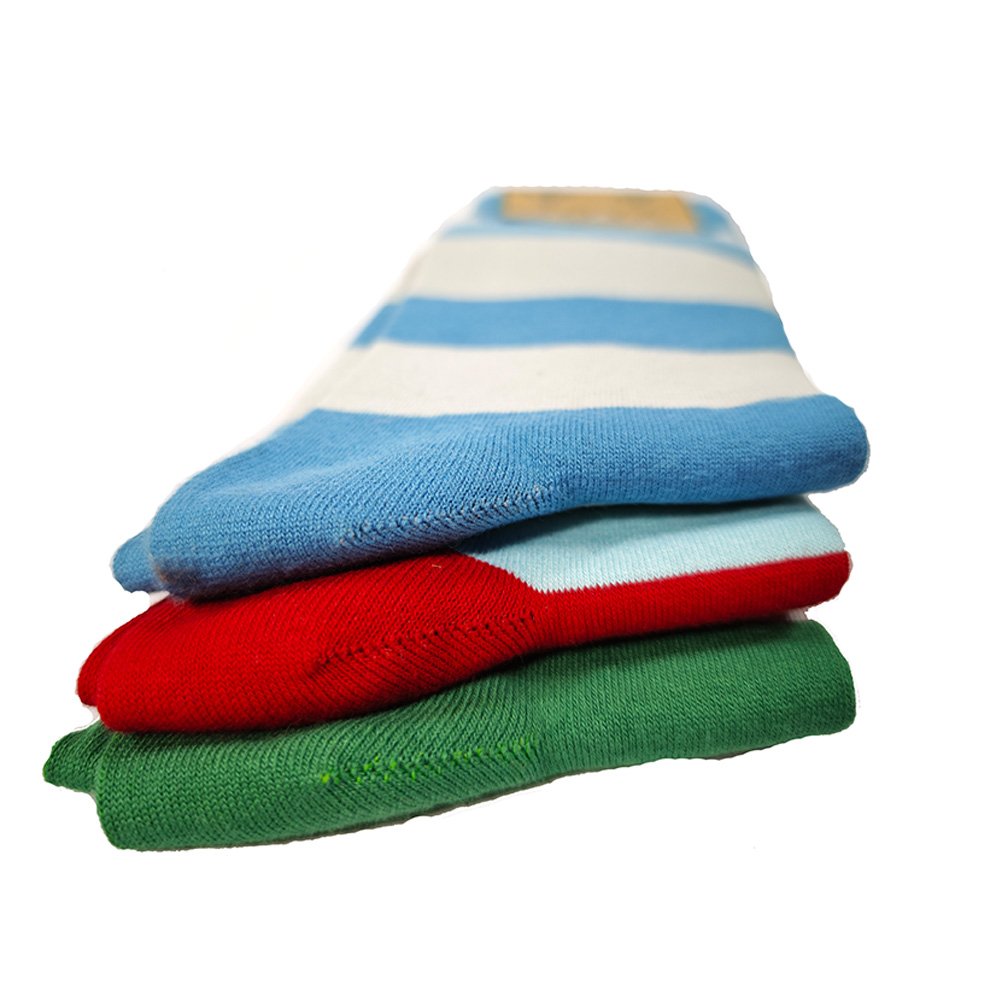
Mechanical bamboo versus chemically processed viscose
Mechanically processed bamboo is crushed and combed, leaving a fibre that keeps more of the plant's natural structure. Chemically processed bamboo viscose dissolves the cellulose and regenerates it into a smoother, silkier thread. Both are sold as "bamboo", which is why the difference matters when you compare socks, pyjamas and underwear.
Why the label rarely tells you which one you are buying
Many listings say "bamboo" without naming the process, so a shopper cannot tell mechanical from viscose from the front of the pack. Look for the fibre composition on the care label and in the product description, and check whether the maker explains how the fibre was produced.
The Benefits of Bamboo Fiber Clothing for Skin
Bamboo fabric is widely valued for how it feels against the skin, but the skin-related claims deserve more scrutiny than most benefit lists give them. Our bamboo range is made to be soft, breathable and light, which suits people who find synthetic fabrics scratchy or stuffy, and it helps to know which of the popular claims are well supported and which are marketing shorthand.
Softness, breathability and moisture absorption
The fibre's smooth surface reduces friction, which is why many wearers describe bamboo as soft from the first wash. It also absorbs moisture and lets it move away from the body, which helps on warm nights and during long days in shoes. research on how textile fibres handle moisture and breathability The mechanism is straightforward: regenerated cellulose fibres have a high moisture regain, so they take up water vapour from the skin and release it into the air rather than trapping it against the body. That is why bamboo blends often feel drier than polyester at the same temperature, though a tight knit or a waterproof outer layer can cancel the effect.
Sensitive skin: what the fabric can and cannot do
Many people with sensitive skin reach for bamboo because it feels gentle. What bamboo cannot do is make a garment irritation-free for everyone: dyes, finishes, seams, elastic and detergent residue all affect how a fabric behaves on reactive skin. If you have a skin condition or a known allergy, check with your doctor before changing your clothing.
Odour resistance and the antibacterial question
Odour resistance is often linked to antibacterial properties. Wash garments regularly as you would any other textile.
UV protection: a modest, fabric-dependent effect
If UV protection matters for your use case, look for a stated UPF rating on the label rather than assuming the fibre provides one.
What this means for choosing bamboo clothing
The honest summary is that bamboo's best-supported skin benefits are softness, breathability and moisture management, properties you can feel, while antibacterial, UV and therapeutic claims should be read with caution. For a closer look at how bamboo performs on sensitive skin specifically, see our bamboo socks sensitive skin guide.
The article's skin-related findings for bamboo fabric come down to a few points that are easy to compare at a glance.
| Property | What the article says | Strength of claim |
|---|---|---|
| Softness | Smooth surface reduces friction; soft from first wash | Well supported |
| Breathability | Absorbs moisture and releases it into the air | Well supported |
| Sensitive skin | Feels gentle, but finishes, dyes and detergent still matter | Depends on the garment |
| Antibacterial | Linked to odour resistance; wash regularly | Treat with caution |
| UV protection | Modest and fabric-dependent | Check the UPF label |
Temperature Regulation, Durability and Everyday Performance
Performance depends on the knit, the blend and how the item is cared for. Our socks combine bamboo with other fibres for shape and wear resistance, and reinforced heels and toes help them last through daily use.
Bamboo Fabric vs Cotton: Which Fits Your Clothing Needs
For everyday loungewear, bamboo is a strong choice; for heavy-duty work clothes, a cotton or wool blend may suit you better. Our range includes wool blend socks for cold-weather use alongside bamboo options.
The Disadvantages of Bamboo Fabric You Should Weigh
Bamboo is not the right answer for every wearer or every situation. It can be more expensive than basic cotton, some blends lose softness faster than others, and the processing route affects how eco-friendly the final fibre really is. Bamboo viscose in particular involves chemical processing, which some shoppers prefer to avoid. Weigh these trade-offs against your own priorities before you buy.
Caring for Bamboo Clothing So It Lasts and Stays Soft
Care is where bamboo clothing earns or loses its reputation, and the advice most articles give, wash cool, air-dry, is only the starting point. How you wash, dry and store bamboo depends on whether you are handling a mechanically processed bamboo linen, a bamboo viscose jersey, or a blend with cotton, wool or elastane, because each behaves differently in water and heat.
Washing: temperature, cycle and detergent
Wash bamboo items in cool water (around 30°C / 86°F) on a gentle cycle, and turn garments inside out to reduce surface abrasion. Avoid fabric softener, which can coat the fibres and reduce their absorbency, and skip chlorine bleach, which weakens regenerated cellulose fibres. A mild, liquid detergent rinses out more easily than powder and leaves less residue on the fibre, helpful if you have sensitive skin. Wash bamboo with similar colours and avoid overloading the drum, because friction during the spin cycle is a leading cause of pilling on bamboo viscose knits.
Drying and shrinkage
Air-drying helps preserve shape and softness, and high heat can cause shrinkage over time. Check the care label for drying instructions.
Pilling, snagging and lifespan
Blends matter too: a cotton or wool blend adds durability at the cost of some of bamboo's drape. Our socks combine bamboo with other fibres for shape and wear resistance, and reinforced heels and toes help them last through daily use.
Storage and between-wear care
Store clean, fully dry bamboo garments folded rather than on hangers, which can stretch knit shoulders over time. Keep them away from damp and direct sunlight.
Matching care to the processing route
A mechanically processed bamboo linen can usually take a warmer wash and a hotter iron than a bamboo viscose jersey, which prefers cool water and low heat. If the label does not name the process, treat the garment as delicate viscose until you know otherwise. Following the care label is the simplest way to keep bamboo socks and pyjamas soft for longer, and it is also the best guide to how the maker expects the fabric to behave.
Choosing Bamboo Loungewear, Socks and Sleepwear for Your Own Wear
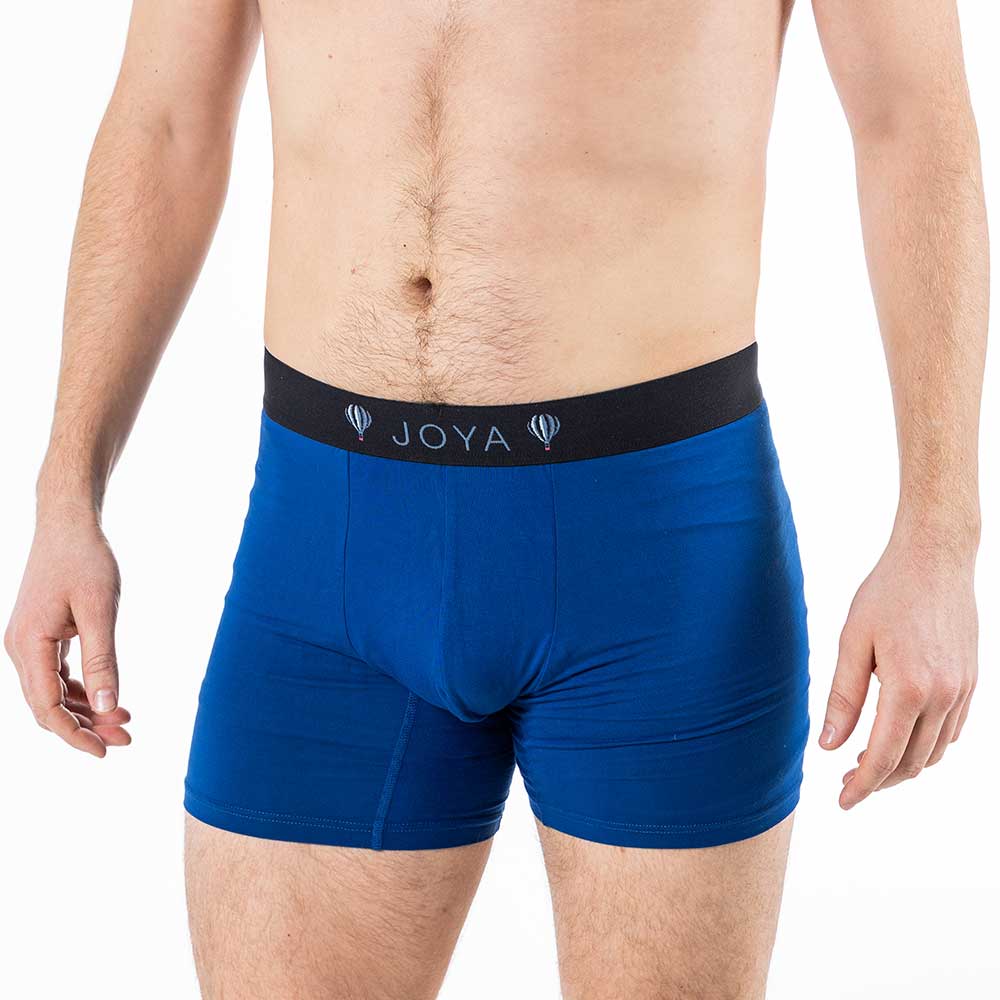
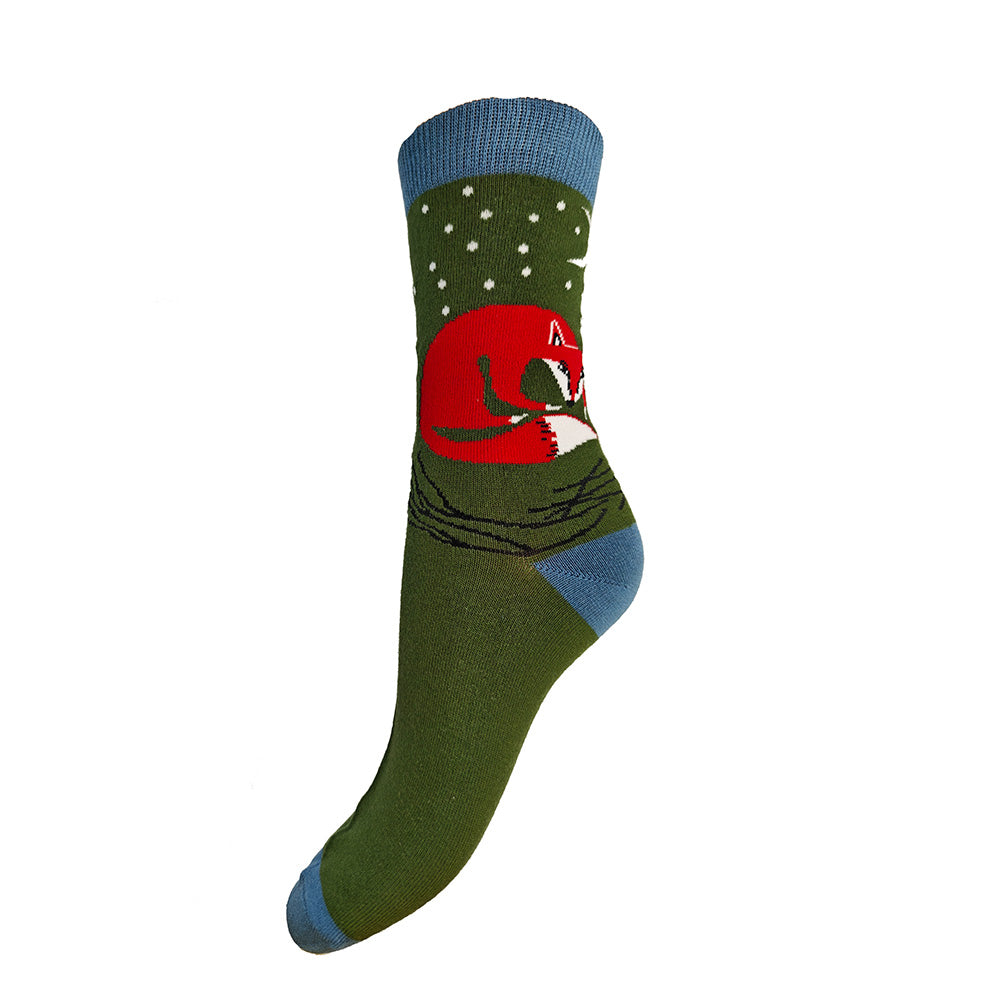
Start with how you will wear the item. For loungewear, our Blue Bamboo Boxer Shorts offer a neat, minimal fit with no uncomfortable label, while our Jungle print bamboo pyjamas suit relaxed evenings. If you are unsure about bamboo for sensitive skin, read our bamboo socks sensitive skin guide before you choose. For everyday socks where you want a different feel, browse our soft wool blend socks for men, and when you are ready to buy, see Sleepy Fox bamboo socks and our Balloon Bamboo crew socks for a sock that is 80% bamboo fibre.
Ready to find your fit? Explore the full Gemjar socks range and choose bamboo loungewear that suits your skin, your routine and your budget.
Frequently Asked Questions
Is bamboo fabric good for sensitive skin?
Bamboo fabric is often chosen for sensitive skin because it is soft and absorbs moisture well, which helps keep the skin drier. Many people with sensitive skin find it comfortable, but the research on bamboo-specific skin benefits is limited, and the fabric type matters. If you react to a fabric, start with one garment and wear it for a few days before buying more, and check the fibre content on the label.
Is bamboo fabric better than cotton?
Bamboo fabric and cotton each have strengths, so neither is better in every case. For loungewear and sleepwear, bamboo often suits people who sweat or run warm. For heavy-use garments, cotton or a blend may last longer.
What are the disadvantages of bamboo fabric?
The main drawbacks of bamboo fabric are its processing, its durability and its cost. Judge a product on fibre content, construction and care needs rather than on claims alone.
How should you wash bamboo clothing?
Wash bamboo clothing in cool water and follow the care label, since high heat can shrink fibres and weaken the fabric over time.

